
The years before kindergarten are when children are at their most receptive. Their brains are developing rapidly, their curiosity about the world is at its peak, and the experiences they have during this window leave a lasting impression on how they learn and relate to others.
For families in River Oaks, choosing the right early learning environment is less about finding a place to pass the time and more about finding a program that treats these years with the seriousness they deserve.
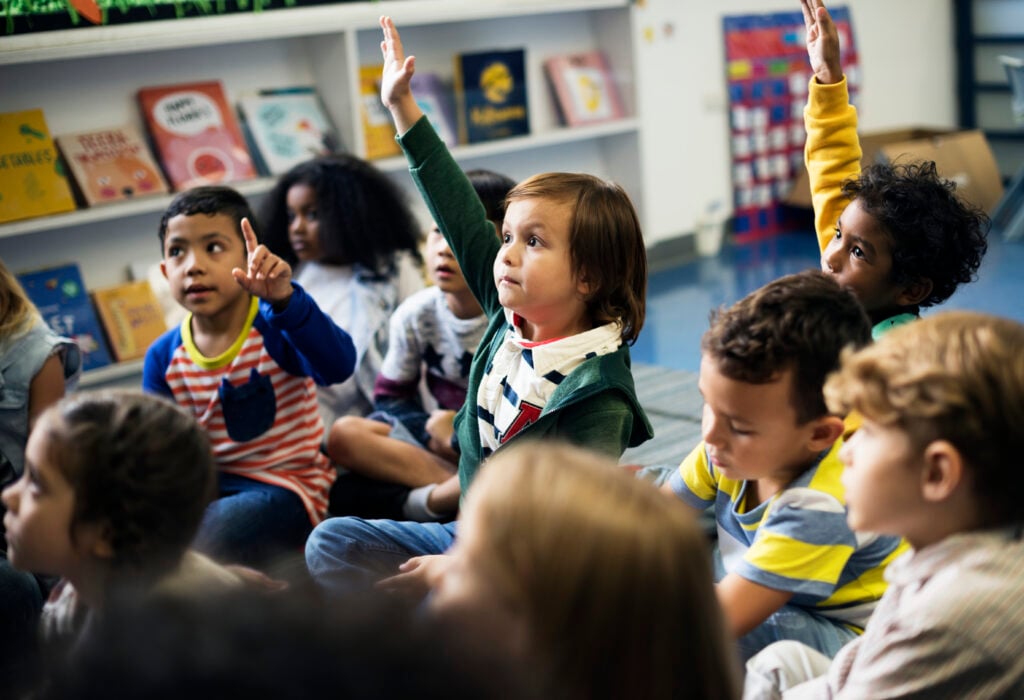
What Children Gain From a Well-Designed Early Learning Program
When you start looking into preschool and daycare in River Oaks, the first concerns that come up are often practical ones like hours, location, and cost. Those details matter, but they tell you very little about what your child will actually experience inside the program each day. A well-designed early learning environment does three things consistently: it feeds a child’s natural curiosity, it builds independence through guided practice, and it supports growth across all areas of development at the same time.
These outcomes do not happen by accident. They are the result of intentional program design, trained teachers, and a daily structure that gives children the right balance of freedom and guidance. When you visit a program and see children deeply engaged in what they are doing, that is not a coincidence. It is the product of an environment built specifically to support how young children learn.
How Curiosity Gets Nurtured in Early Childhood Settings
Curiosity is the engine behind almost everything a young child learns. When children are free to ask questions, investigate materials, and pursue what genuinely interests them, they build a relationship with learning that goes far beyond memorizing facts. Programs that understand this create spaces where children encounter open-ended materials, varied sensory experiences, and enough unstructured time to follow a line of interest wherever it leads.
The teacher’s role in this process is to support and extend that curiosity rather than redirect it toward a predetermined outcome. A child who spends twenty minutes figuring out how water moves through a series of tubes is not wasting time. They are developing the kind of focused inquiry that will serve them in every academic subject they encounter later. Programs that protect and nurture that impulse early are giving children something that structured lessons alone cannot provide.
Building Independence One Small Step at a Time
Independence in young children does not arrive fully formed. It develops through repeated experience with tasks that are slightly challenging but fully achievable. This is one reason young children need a daily routine that is predictable, supportive, and designed around gradual growth. In a strong early learning program, independence is built into the daily structure at every level, from how materials are stored so children can access them without adult help, to how transitions are managed so children learn to prepare for what comes next on their own.
When a child learns to put on their own shoes, pour their own water, choose their own activity, and clean up before moving on, they are not just practicing life skills. They are building a belief in their own capability. That belief, reinforced consistently throughout the preschool years, becomes the foundation for how a child approaches new challenges in kindergarten and beyond.
How Growth Shows Up Across Different Areas of Development
Early childhood growth is not a single track. It happens simultaneously across several areas, and a quality program supports all of them at once. Here is what genuine developmental progress looks like in each area:
- Cognitive development: Children ask more complex questions, solve problems with less adult direction, and sustain attention on chosen activities for longer periods
- Language development: Children use a wider vocabulary, express their needs and feelings more clearly, and begin to understand the perspectives of others through conversation
- Social skills: Children learn to share, negotiate, take turns, and repair small conflicts with growing independence
- Emotional regulation: Children develop the ability to manage frustration, transition between activities with less distress, and identify what they are feeling in the moment
- Physical development: Children refine both gross and fine motor skills through active play, art, building, and outdoor exploration
A program that tracks progress across all five of these areas is one that sees your child as a whole person, not just a student in training.
Choosing a Program That Invests in the Whole Child
River Oaks families who take the time to look beyond logistics and evaluate programs based on how well they support curiosity, independence, and full developmental growth make a decision that pays off long after the preschool years are over.
The right early learning environment does not just prepare your child for kindergarten. It shapes how your child thinks about learning itself, how willing they are to take on new challenges, and how confidently they move through the world. That kind of foundation is worth choosing carefully.


Marissa is a Pediatric Occupational Therapist turned stay-at-home mom who loves sharing her tips, tricks, and ideas for navigating motherhood. Her days are filled starting tickle wars and dance parties with three energetic toddlers and wondering how long she can leave the house a mess until her husband notices. When she doesn’t have her hands full of children, she enjoys a glass (or 3) of wine, reality tv, and country music. In addition to blogging about all things motherhood, she sells printables on Etsy and has another website, teachinglittles.com, for kid’s activity ideas.


