
A house may appear beautiful during a quick showing though the most important features are often hidden behind walls, beneath flooring and underneath the ground itself. Buyers are naturally drawn toward fresh paint, modern kitchens and polished landscaping because visible upgrades are easier to appreciate immediately.
Though long-term property value is usually influenced by systems and structural details that receive far less attention.
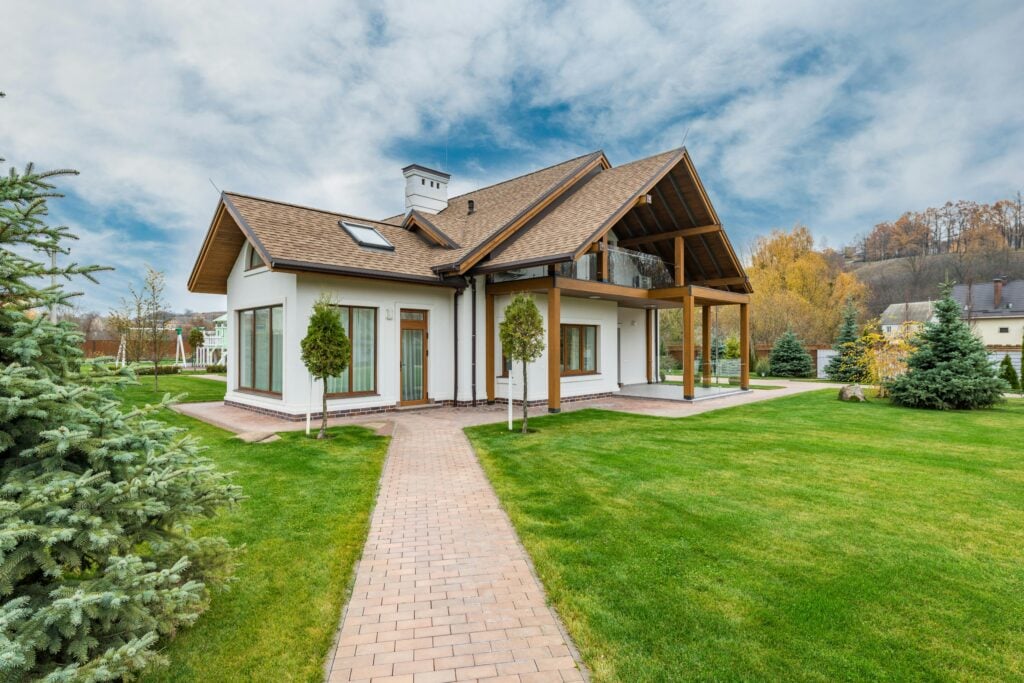
Many homeowners focus heavily on cosmetic updates while overlooking features that directly affect durability, efficiency and future maintenance costs. A this-looked-perfect-at-first-glance kind of realization is sometimes experienced years later when drainage problems, structural damage or outdated systems begin creating expensive repairs. Long-term value is rarely protected by appearance alone.
Properties that perform well financially often share something important in common. Hidden infrastructure has usually been maintained carefully because foundational systems influence comfort, safety and reliability every single day. Buyers may not notice these details immediately though experienced inspectors and future homeowners certainly will.
Strong Infrastructure Quietly Protects Property Value
A home’s hidden systems often determine how well the property performs during changing weather conditions and long-term use. Water access, drainage systems and underground utilities influence property reliability much more than many homeowners initially realize.
Properties located outside major municipal systems especially depend on strong water infrastructure for long-term functionality. Homeowners planning upgrades or rural property improvements should work with reliable water well drilling contractors, instead of taking the DIY route. Because water access directly affects daily convenience, landscaping potential and long-term property usability. Proper installation also helps reduce future issues involving low water pressure, contamination concerns or inefficient system performance.
Reliable infrastructure quietly supports home value because future buyers often look beyond cosmetic upgrades once inspections begin. Water systems, grading and foundational stability become extremely important during property evaluations.
Have you ever noticed how quickly hidden maintenance problems begin affecting everyday comfort inside a home? Minor issues often grow quietly before becoming expensive repairs later.
For example, a property with proper water management systems may avoid serious soil erosion and moisture damage during heavy rainfall. Another home may maintain stronger resale value simply because underground utilities and drainage systems were upgraded before visible problems developed.
Long-term value is often protected through preventative attention rather than reactive repairs.
Moisture Problems Often Start Where Nobody Looks
Moisture damage rarely announces itself immediately. Small leaks, poor drainage and hidden humidity often begin affecting homes quietly before visible warning signs appear. Structural wood, insulation and foundation materials can weaken gradually when moisture problems remain untreated for long periods.
Basements, crawl spaces and attic areas frequently reveal hidden issues affecting long-term property value. Poor ventilation may allow moisture buildup while small plumbing leaks sometimes create mold growth behind walls or underneath flooring materials.
Several hidden property features deserve consistent attention because they strongly influence long-term durability:
- Drainage systems surrounding the property
- Roof ventilation and attic airflow
- Foundation stability and moisture control
- Plumbing systems hidden behind walls
- Soil grading around the exterior structure
These features often determine whether homes remain structurally sound as properties age. Moisture-related damage becomes especially expensive because problems frequently spread beyond the original source area.
Would buyers feel confident investing in a home once major structural moisture issues are discovered during inspection? Small hidden problems often influence negotiations and resale value significantly.
Preventative inspections help homeowners identify concerns before larger structural damage begins affecting the property.
Energy Efficiency Quietly Shapes Buyer Interest
Energy efficiency has become much more important to homeowners because utility costs and environmental concerns continue influencing purchasing decisions. Buyers increasingly pay attention to insulation quality, window performance and heating system efficiency even when those features remain largely invisible during walkthroughs.
Older homes sometimes lose value simply because hidden systems no longer support modern efficiency expectations. Aging ductwork, poor insulation and outdated electrical systems often create higher monthly expenses while reducing overall property appeal.
For example, one homeowner may replace aging windows and improve attic insulation before energy bills become excessive. Another property owner may update outdated electrical systems to support modern appliances and home technology more safely. These improvements may not always appear dramatic visually though they strongly influence long-term functionality.
Efficiency upgrades also help reduce wear on heating and cooling systems because homes maintain more stable indoor temperatures afterward. Buyers often recognize the value of lower maintenance costs and stronger energy performance once detailed property information becomes available.
Properties that function efficiently tend to remain more competitive as buyer expectations continue changing.
Outdoor Features Matter More Than People Realize
Exterior conditions often reveal how well hidden property systems have been maintained throughout the years. Landscaping, drainage flow and structural grading all influence long-term durability much more directly than homeowners sometimes expect.
Water runoff management becomes especially important because improper grading may slowly weaken foundations, damage siding or create standing water issues around the property. Outdoor systems supporting irrigation and drainage also influence long-term landscaping health and maintenance costs.
Designing the ideal family home often involves more than interior renovations because outdoor functionality affects daily living just as heavily. Walkways, retaining walls, exterior lighting and water systems all contribute to how comfortably properties perform throughout changing seasons.
Can long-term property value remain strong when exterior systems quietly allow water damage or soil movement to continue unchecked? Outdoor maintenance often protects much larger structural investments underneath the surface.
For example, a homeowner improving drainage flow around the foundation may prevent expensive structural repairs years later. Another property may retain stronger resale value because irrigation systems and exterior grading were maintained consistently instead of being ignored.
Exterior conditions often reflect the overall health of hidden property infrastructure.
Hidden Features Often Shape Long-Term Property Success
Long-term property value is rarely determined only by appearance. Hidden systems supporting water access, structural stability and energy efficiency often influence daily comfort and future resale performance much more heavily than cosmetic upgrades alone.
Homeowners frequently focus on visible renovations because those improvements provide immediate satisfaction. Though infrastructure, moisture control and preventative maintenance quietly determine how well properties perform throughout changing conditions and long-term ownership.
Strong hidden systems help protect homes from structural deterioration, rising maintenance costs and future buyer concerns. Water management, drainage systems and efficient utilities all contribute to stronger long-term reliability even when those features remain mostly unnoticed day to day.
Property value grows more steadily when homes are maintained thoughtfully beneath the surface as well as visually. Preventative attention today often protects homeowners from expensive repairs and financial setbacks later while supporting stronger long-term investment potential.


Marissa is a Pediatric Occupational Therapist turned stay-at-home mom who loves sharing her tips, tricks, and ideas for navigating motherhood. Her days are filled starting tickle wars and dance parties with three energetic toddlers and wondering how long she can leave the house a mess until her husband notices. When she doesn’t have her hands full of children, she enjoys a glass (or 3) of wine, reality tv, and country music. In addition to blogging about all things motherhood, she sells printables on Etsy and has another website, teachinglittles.com, for kid’s activity ideas.


