
Older homes often have unique architectural details, established layouts, and features that give them a distinctive appearance. However, as a property ages, its structural components, fixtures, and essential systems may begin to show signs of wear.
Problems such as outdated plumbing, damaged flooring, poor insulation, and deteriorating bathroom fixtures can affect everyday living.
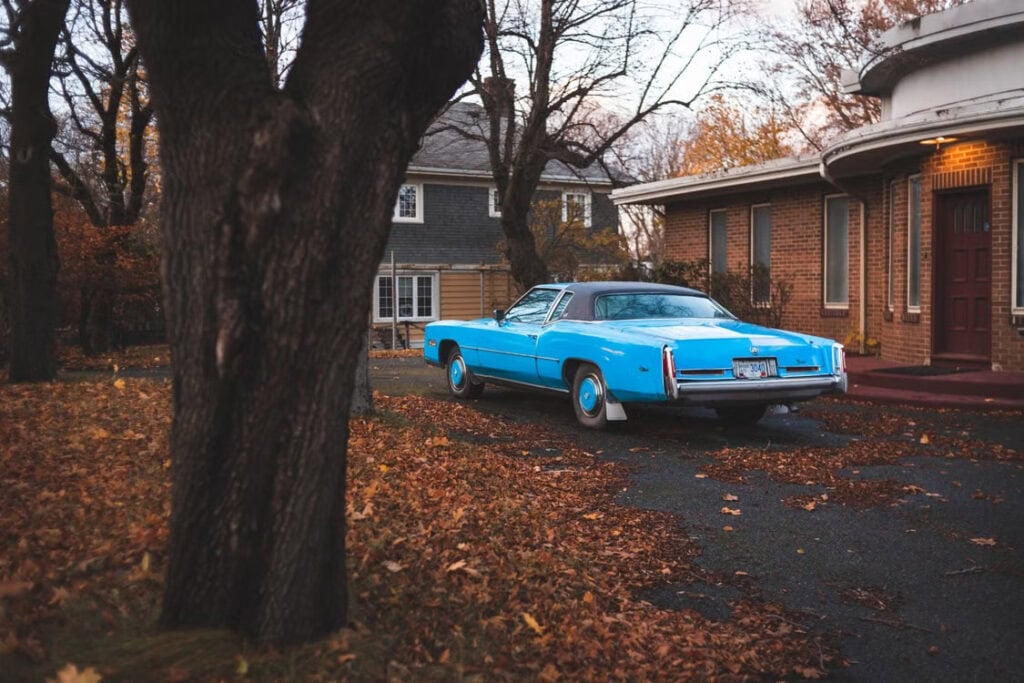
While some issues require minor repairs, others may need more extensive improvements to maintain the home’s safety and functionality. Identifying these problems early can help homeowners prevent further deterioration and make informed decisions about necessary upgrades. Here are some common problems found in older homes and practical ways to address them.
Worn-Out Bathroom Fixtures and Surfaces
Bathrooms experience frequent exposure to water, humidity, and cleaning products, which can gradually affect the condition of fixtures and surrounding surfaces.
In older homes, bathtubs may develop stains, cracks, or worn finishes, while shower walls and outdated enclosures can become difficult to maintain. Damaged grout, loose tiles, and deteriorating seals may also allow moisture to reach underlying materials.
Homeowners should inspect bathing areas for persistent leaks, visible deterioration, and surfaces that are becoming increasingly difficult to clean.
Minor problems may be resolved through repairs or resealing. However, severely worn fixtures or recurring water-related issues may make replacement a more practical option.
For homeowners considering a bathroom upgrade, professional remodeling assistance can help determine whether bathtub replacement, shower installation, or a bathroom conversion is appropriate.
Look up bathroom remodeling company near me, and you will find experienced professionals who provide bathtub and shower replacements, tub-to-shower and shower-to-tub conversions, and walk-in tub installations. They also offer customized designs, low-maintenance acrylic surfaces, and professional installation to improve bathroom functionality and appearance.
Choosing durable, easy-to-maintain materials and ensuring proper installation can help improve the appearance and functionality of the bathroom.
Outdated Plumbing and Water Leaks
Plumbing problems are common in aging properties, particularly when pipes, fittings, and connections have been in use for several decades.
Older plumbing systems may develop corrosion, leaks, reduced water pressure, or drainage problems. In some homes, outdated pipe materials may also require replacement to meet current safety and performance standards.
Homeowners should watch for warning signs such as discolored water, slow drains, damp walls, and unexplained increases in water bills.
A licensed plumber can inspect the system, identify worn components, and recommend appropriate repairs or replacements.
Replacing deteriorating pipes, repairing leaking fixtures, and maintaining proper drainage can help prevent moisture-related damage to walls, flooring, and surrounding structures.
Outdated Electrical Wiring
Electrical systems in older homes may not have been designed to accommodate the number of appliances and electronic devices commonly used today.
Outdated wiring, insufficient outlets, overloaded circuits, and aging electrical panels can create safety concerns. Warning signs may include frequently tripped breakers, flickering lights, warm outlets, or unusual odors near electrical fixtures. Homeowners should avoid attempting complex electrical repairs without proper training.
A licensed electrician can evaluate the condition of the wiring, inspect the electrical panel, and determine whether updates are necessary.
Depending on the property, improvements may include replacing damaged wiring, installing additional outlets, upgrading circuits, or adding appropriate electrical protection.
Poor Insulation and Drafty Windows
Older homes may have insufficient insulation or windows that no longer provide an effective seal against outdoor temperatures.
Gaps around window frames, deteriorating weatherstripping, and poorly insulated walls or attics can allow heated or cooled air to escape. These problems may lead to uneven indoor temperatures and increased energy consumption.
Homeowners can begin by checking windows and doors for drafts, inspecting accessible attic insulation, and identifying areas where outside air enters the home.
Replacing worn weatherstripping, sealing appropriate gaps, and improving insulation can help maintain more consistent indoor temperatures. When windows are severely damaged or inefficient, replacement may be worth considering.
A qualified professional can assess insulation needs and recommend improvements based on the home’s construction and local climate.
Damaged Roofing and Gutters
Roofing materials naturally deteriorate over time due to exposure to sunlight, rain, wind, and changing temperatures.
Older roofs may develop missing shingles, damaged flashing, worn seals, or leaks that allow water to enter the property. Gutters can also become clogged, loose, or damaged, preventing rainwater from draining away properly.
Homeowners should look for visible roofing deterioration, water stains on ceilings, and overflowing gutters during rainfall. Roof inspections can help identify potential problems before they lead to more extensive repairs.
Depending on the roof’s condition, repairs may involve replacing damaged shingles, correcting flashing problems, or addressing affected roof sections.
Cracks in Walls and Foundation Problems
Small cracks in walls or ceilings can develop as buildings settle or materials expand and contract over time.
However, certain cracks may indicate more serious structural concerns, particularly when they widen, appear suddenly, or occur alongside uneven floors and sticking doors.
Foundation problems may result from soil movement, drainage issues, moisture changes, or deterioration of structural components.
Homeowners should monitor unusual cracks and avoid assuming that all visible damage is cosmetic.
A qualified structural engineer or foundation specialist can assess concerning changes and determine whether repairs are necessary.
Maintaining proper drainage around the home and addressing water accumulation near the foundation may help reduce some moisture-related problems.
Worn Flooring and Uneven Surfaces
Flooring in older homes may show signs of wear after years of regular use. Hardwood floors can develop scratches, loose boards, and uneven sections, while tile flooring may experience cracked tiles or deteriorating grout. Carpets may become stained, worn, or difficult to clean, particularly in high-traffic areas.
In some cases, uneven flooring may indicate problems with the subfloor or supporting structures rather than the surface material itself.
Homeowners should inspect flooring for loose sections, soft spots, moisture damage, and potential tripping hazards.
Depending on the condition, repairs may involve refinishing hardwood, replacing damaged tiles, or installing new flooring materials.
Before replacing flooring, it is important to address any underlying moisture or structural issues to prevent recurring problems.
Poor Ventilation and Moisture Buildup
Inadequate ventilation is another common concern in older properties, especially in bathrooms, kitchens, and enclosed spaces.
Without sufficient airflow, moisture can accumulate on walls, ceilings, and windows.
Over time, persistent dampness may contribute to peeling paint, unpleasant odors, mold growth, and deterioration of building materials.
Homeowners should check whether bathroom exhaust fans and kitchen ventilation systems are functioning properly.
Improving ventilation, repairing water leaks, and controlling indoor humidity can help reduce moisture accumulation.
In bathrooms, properly installed exhaust fans and moisture-resistant finishes may improve long-term maintenance.
Outdated Storage and Inefficient Room Layouts
Some older homes have room layouts and storage arrangements that no longer suit modern household needs.
Small closets, limited kitchen cabinets, poorly positioned fixtures, and unused corners can make everyday organization more difficult.
Before considering major structural changes, homeowners should evaluate how each room is currently used.
Adding built-in shelving, reorganizing cabinets, and choosing space-efficient furniture may improve storage without requiring extensive renovations.
In kitchens and bathrooms, replacing bulky fixtures or updating cabinet arrangements can sometimes create additional usable space.
Larger layout changes should be discussed with qualified professionals, particularly when walls, plumbing, or electrical systems may be affected.


Marissa is a Pediatric Occupational Therapist turned stay-at-home mom who loves sharing her tips, tricks, and ideas for navigating motherhood. Her days are filled starting tickle wars and dance parties with three energetic toddlers and wondering how long she can leave the house a mess until her husband notices. When she doesn’t have her hands full of children, she enjoys a glass (or 3) of wine, reality tv, and country music. In addition to blogging about all things motherhood, she sells printables on Etsy and has another website, teachinglittles.com, for kid’s activity ideas.


