
A well-planned living room should offer comfortable seating while leaving enough space for movement and everyday activities. Choosing the right furniture can make a noticeable difference, especially in rooms with limited floor space or an unusual layout.
A corner lounge can be a practical choice, as its L-shaped design makes good use of an unused corner while providing comfortable seating without taking up excessive floor space. This can help create a dedicated seating area while leaving enough room for other furniture and everyday movement.
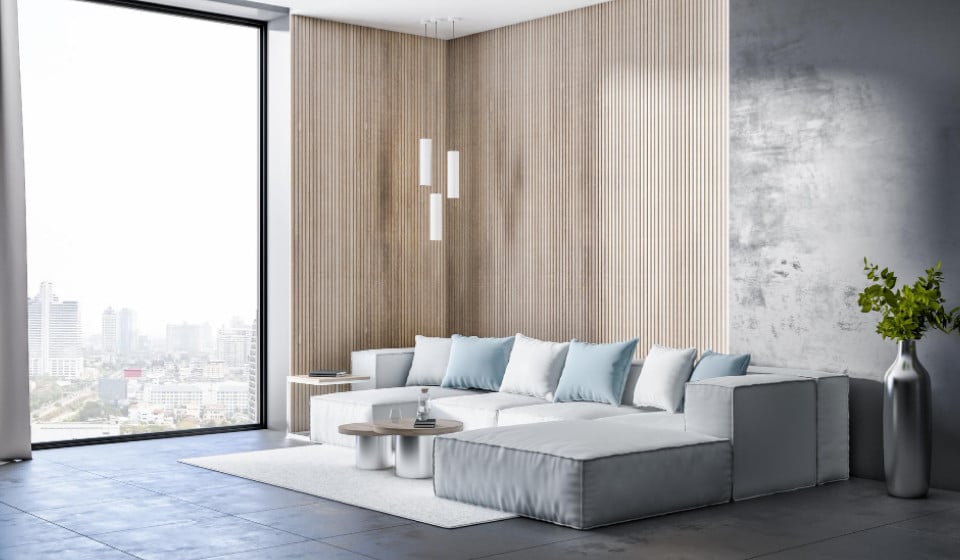
Understanding Corner Lounge Functionality
A corner lounge is designed to make practical use of available living room space while providing multiple seating positions in one piece of furniture. Its L-shaped design can fit well along adjoining walls, helping make use of a corner that might otherwise remain unused.
This arrangement can free up space in the centre of the room for movement and other furniture. A corner lounge can also create a defined area for relaxing, watching television or entertaining guests. With the right size and configuration, it can support everyday comfort while keeping the living room organised and functional.
How a Corner Lounge Supports a More Functional Living Space
Makes Better Use of Floor Space
Corners can often be challenging to furnish, particularly when a living room has limited floor space. A corner lounge can turn this underused area into a practical seating zone while keeping more of the central floor area available.
Its L-shaped design allows the seating to follow the room’s layout, creating space for a coffee table without making the arrangement feel crowded.
This can be particularly useful in smaller living rooms where every section of floor space needs to be considered. The open area around the lounge also allows for easier movement and a less crowded layout.
Provides Generous Seating
A corner lounge can provide more seating than a standard sofa while making good use of the available floor space. Its extended L-shaped design creates multiple seating positions, making it suitable for families and households that regularly have guests. The additional seating also provides greater flexibility when several people need to use the living room at the same time, without requiring several separate pieces of furniture.
Creates a Defined Living Room Zone
A corner lounge can help establish a clear seating area within the living room. Its L-shaped layout naturally groups the main furniture, giving the room a more structured arrangement without needing additional dividers.
This defined zone can also make it easier to organise other furniture around the seating area. A coffee table, side table or entertainment unit can be positioned within the layout while keeping the rest of the room available for movement.
Supports Different Activities
A functional living room often needs to accommodate more than one activity. It may be used for watching television, reading, chatting with guests, relaxing after work or spending time with family.
A corner lounge provides different seating positions for these activities. One person can use the longer section to stretch out, while others can use the adjoining section for conversation. This flexibility makes the lounge suitable for both quiet evenings and social occasions.
Makes Furniture Placement Easier
A corner lounge can make it easier to plan the position of other furniture in the living room. Its L-shaped design provides a clear starting point for arranging pieces such as a coffee table, side tables and entertainment units.
Positioning these items around the lounge can create a practical layout while keeping walkways clear. This helps the furniture work together without taking up unnecessary floor space or making the room difficult to move through.
Offers Comfortable Seating
Comfortable seating can make a living room more practical for everyday use. An extended corner design provides different seating positions, while supportive backrests and well-padded cushions can make the furniture more comfortable.
Seat depth, cushion firmness and upholstery also influence overall comfort. These features can be selected based on household needs, helping create a seating arrangement that feels supportive and works well for regular use.
Factors to Consider When Choosing a Functional Corner Lounge
Before choosing a corner lounge, consider how the furniture will fit into the room and how it will be used. The following factors can help guide the decision:
- Room Size and Layout: Measure the available floor space and wall lengths. Check doorways and other fixed features. This helps prevent the lounge from blocking access or making the room feel crowded.
- Corner Lounge Configuration: Consider a left-hand, right-hand or reversible configuration. The chaise or return should suit the room’s layout. This can make movement around the lounge easier.
- Seating Requirements: Consider how many people use the living room regularly. Larger households may need more seating. A compact design can work well for smaller households.
- Everyday Use: Think about how the lounge will be used each day. Consider entertaining, watching TV or spending time with family. These needs can influence the size and configuration.
- Space for Movement: Leave enough room around the lounge and other furniture. Clear pathways make it easier to move through the living room. Avoid placing furniture too close together.
- Practical Upholstery: Select upholstery that suits everyday use. Consider durability, cleaning and maintenance. Easy-care fabrics can be useful in busy living rooms.
Conclusion
A corner lounge can make a living room more functional by providing comfortable seating and making better use of available space. Its L-shaped design can use corners effectively while leaving room for other furniture and clear walkways.
The right size and configuration should suit the room’s layout and seating needs. Proper placement can also make everyday movement easier. With these factors in mind, a corner lounge can create a comfortable living room without taking up more floor space than necessary.
Frequently Asked Questions
What size corner lounge is suitable for a living room?
The right size depends on the room’s dimensions and available floor space. Measure the area and leave enough room for comfortable movement around the lounge.
Can a corner lounge work in an open-plan living area?
Yes. A corner lounge can help define the living area within an open-plan space. Its L-shaped design can create a clear seating zone while keeping the dining and kitchen areas separate.
What furniture pairs well with a corner lounge?
Coffee tables, side tables, floor lamps and entertainment units can pair well with a corner lounge. Choose pieces that suit the lounge size and leave enough space for easy movement.
Is a corner lounge suitable for entertaining guests?
Yes. A corner lounge can provide comfortable seating for several guests in one area. Its L-shaped design also makes conversation easier while keeping the living room organised.
How can a corner lounge help keep a living room organised?
A corner lounge can create a clear seating area, making it easier to arrange other furniture around it. Keeping tables, storage and walkways in defined positions can help reduce clutter and keep the room tidy.


Marissa is a Pediatric Occupational Therapist turned stay-at-home mom who loves sharing her tips, tricks, and ideas for navigating motherhood. Her days are filled starting tickle wars and dance parties with three energetic toddlers and wondering how long she can leave the house a mess until her husband notices. When she doesn’t have her hands full of children, she enjoys a glass (or 3) of wine, reality tv, and country music. In addition to blogging about all things motherhood, she sells printables on Etsy and has another website, teachinglittles.com, for kid’s activity ideas.


