
Finding time for fitness can feel difficult when your days are packed with work, school schedules, meals, errands, and everything else family life brings. Many parents want to stay active, but getting to a gym on a regular basis is not always realistic.
That is why a home gym can be such a smart solution for busy families. It puts exercise within reach, removes travel time, and makes it easier to build healthy habits into everyday life.
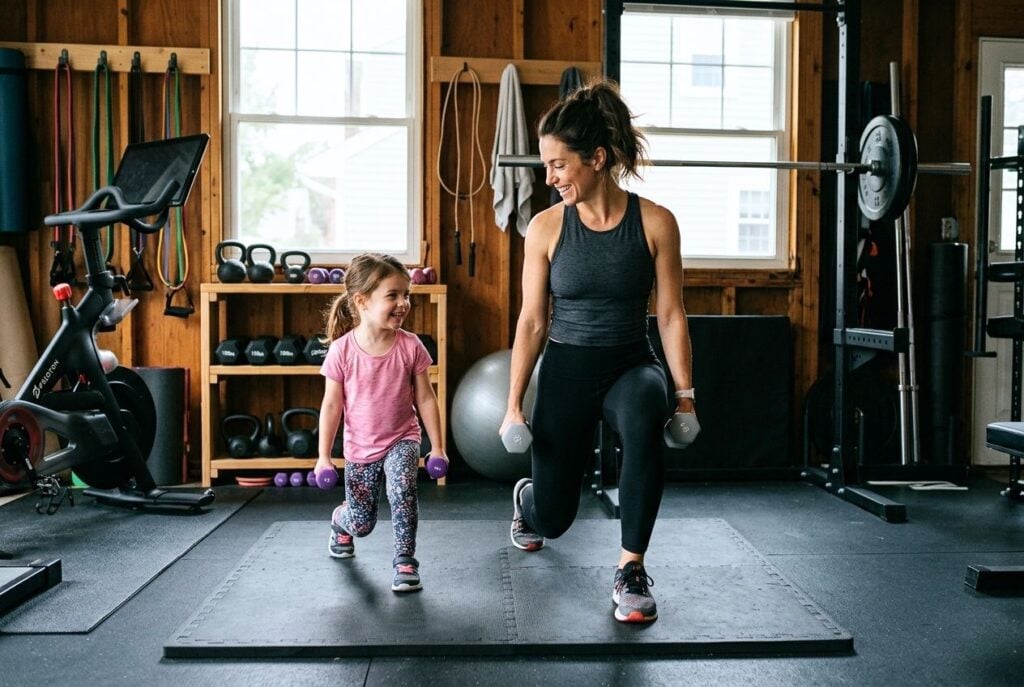
The best family home gym is not the one with the most expensive equipment. It is the one that fits your space, your routine, and the needs of the people using it. A practical setup can help parents squeeze in quick workouts, give kids a fun place to move, and create a household culture that values health and energy.
Here is how to create a home gym that works for real family life:
Start With the Way Your Family Actually Lives
Before you buy a single piece of equipment, think about how your family uses time and space. This is the most important step because a home gym should support your daily routine instead of disrupting it.
Ask yourself a few simple questions. Do you need space for short early-morning workouts before the kids wake up? Do you want a setup where children can join in after school? Will the gym mainly be used for strength training, cardio, stretching, or a mix of everything?
Busy families do best with flexible spaces. A room that supports 20-minute workouts is often more useful than one designed around long, intense training sessions. The goal is convenience. If it takes too much effort to get started, the space will not get used as often as you hope.
Choose a setup that feels inviting and easy. When exercise becomes part of the flow of the day, it stops feeling like one more task on an already crowded list.
Choose the Right Space at Home
You do not need a huge basement or a dedicated addition to create an effective home gym. Many families build great workout areas in spare bedrooms, garages, finished basements, bonus rooms, or even a corner of a living room.
The best spot is one that gives you enough room to move safely and consistently. Look for a space with decent ventilation, simple access, and enough clearance for stretching, lifting, or bodyweight work. Natural light helps too. A bright space usually feels more motivating than a dark, forgotten corner.
If square footage is limited, think vertically and creatively. Wall-mounted storage, foldable benches, and compact machines can make a smaller room work surprisingly well. Some families even turn backyard structures into workout zones.
Others explore cargo containers as a way to create a separate fitness area without taking over the main house. That kind of setup can be especially useful for families who want fewer distractions and a bit more privacy.
Focus on Versatile Equipment First
When building a home gym, it is easy to get distracted by big machines and trendy gear. For busy families, that usually is not the smartest place to start. A better approach is to buy equipment that supports many types of workouts while taking up as little space as possible.
A few well-chosen basics can go a long way. Resistance bands, adjustable dumbbells, kettlebells, a workout bench, yoga mats, and a stability ball can support strength training, mobility work, and quick circuit workouts. A jump rope and step platform can add cardio without taking up much room. If you have space and budget for one larger item, a treadmill, rowing machine, or exercise bike can be a strong choice.
Think about shared use. Equipment that works for multiple family members adds more value. Adjustable pieces are especially helpful because they can grow with your needs and support different fitness levels in one household.
Make the Space Safe and Family Friendly
A home gym for a family should be both practical and safe. Adults may use the area for serious workouts, but children are likely to be nearby at least some of the time. That means safety has to be part of the design from the beginning.
Use flooring that protects both your equipment and your body. Rubber mats or padded gym tiles can reduce noise, improve grip, and cushion impact. Store heavier weights securely. Keep resistance bands, cords, and small accessories organized so they do not become tripping hazards.
If young children will be around, use locked storage or high shelving for equipment that should not be handled without supervision. Mirrors can be helpful for form, but place them carefully and use shatter-resistant options when possible.
You can also make the gym feel family friendly by including a few age-appropriate items for kids. Light medicine balls, soft mats, and open space for movement can help children feel included. A home gym does not need to be a strict adults-only zone. In many homes, it works better as a shared wellness space.
Design for Speed and Convenience
One of the biggest reasons home gyms succeed is that they save time. To get the most from yours, set it up for quick starts and easy cleanups.
Keep the most-used equipment visible and ready to go. If you have to dig through a closet every time you want to work out, your motivation will drop. Use hooks, racks, baskets, and labeled bins to keep everything in order. Store mats rolled or hung neatly. Place wipes and towels nearby. Add a simple clock or timer so short workouts stay focused.
It also helps to create a few workout zones. One area can be for strength training, another for stretching, and another for cardio if space allows. Even in a small room, these visual cues make the gym feel more organized and easier to use.
Some families also convert detached spaces into workout rooms to keep home life and exercise a little more separate. In those cases, options like a backyard studio or even a customized unit from a shipping container rental provider may offer a practical solution for creating a dedicated exercise area.
Build Workouts Around Family Schedules
A home gym only helps if it matches real life. Busy families often do best with shorter, more flexible workouts instead of rigid plans that are hard to maintain.
Think in terms of workout windows rather than perfect schedules. A 20-minute strength session before breakfast, a quick bike ride after school pickup, or a short mobility routine before dinner can all add up. The home gym gives you the freedom to exercise in smaller pieces, which is often more realistic for parents.
You can also plan different uses for different times of day. Parents may use the gym in the morning. Kids can burn off energy in the afternoon. The whole family can do simple movement sessions together on weekends.
Make It Motivating Without Making It Complicated
You do not need a flashy setup to create a motivating home gym. A few thoughtful touches can make the space feel more inviting and increase the chances that people use it consistently.
Good lighting matters. Cleanliness matters too. A tidy room feels more energizing than one cluttered with laundry, storage boxes, or forgotten gear. You might add a speaker for music, a whiteboard for weekly goals, or a shelf for water bottles and towels. Some families like to keep a simple calendar on the wall to track workouts and build momentum.
Try to avoid over-designing the space. A home gym should feel useful, not intimidating. If it looks too serious or too complicated, family members may avoid it. Keep the environment simple, positive, and welcoming.
Create a Space That Supports Long-Term Health
A home gym is about more than fitness equipment. It is about creating an environment that makes healthy living easier for the whole family. When movement becomes part of the home, it becomes more normal, more visible, and more sustainable.
That matters for busy families. Children see parents making time for health. Parents gain a practical way to care for themselves without leaving the house. Everyone benefits from having a space that encourages activity, consistency, and balance.
The most successful home gyms are not built overnight. They grow over time, shaped by what a family needs most. Start with the space you have. Choose equipment you will truly use. Keep the setup safe, simple, and flexible.
A well-designed home gym can become one of the most valuable parts of your home. It saves time, supports better habits, and helps busy families stay active in a way that feels realistic. That is what makes it worth creating.


Marissa is a Pediatric Occupational Therapist turned stay-at-home mom who loves sharing her tips, tricks, and ideas for navigating motherhood. Her days are filled starting tickle wars and dance parties with three energetic toddlers and wondering how long she can leave the house a mess until her husband notices. When she doesn’t have her hands full of children, she enjoys a glass (or 3) of wine, reality tv, and country music. In addition to blogging about all things motherhood, she sells printables on Etsy and has another website, teachinglittles.com, for kid’s activity ideas.


