
Parenting often means accepting a certain level of mess. Crumbs on the floor, toys scattered across rooms, and unexpected spills can quickly turn a tidy home into a chaotic one.
While deep cleaning still matters, many parents are looking for ways to make everyday upkeep easier. Automation doesn’t mean removing effort completely, but it can reduce repetitive tasks and help you stay on top of daily mess in a more manageable, less stressful way.
What are the main challenges of cleaning with kids?
Cleaning with kids in the house is less about one big task and more about constant small ones. Dirt gets tracked in from outside, food ends up on the floor, and toys rarely stay in one place.
Even after cleaning, the mess can return within minutes. Time is another challenge, as parents often juggle work, childcare, and household tasks. This makes it difficult to maintain consistency, especially when cleaning requires attention throughout the day rather than in one dedicated session.
How to Easily Automate Cleaning in a House with Kids?
The key to automation is simplifying repetitive tasks and building systems that work in the background. Small changes like scheduling, organizing, and using helpful tools can reduce the effort needed to keep your home clean. Here are a few practical ways to automate parts of your routine while keeping things simple.
1. Automate floor cleaning to reduce daily mess
Floors tend to collect the most visible mess in a home with kids. Crumbs, dust, and dirt can build up quickly, especially in high-traffic areas. Automating floor cleaning can make a noticeable difference.
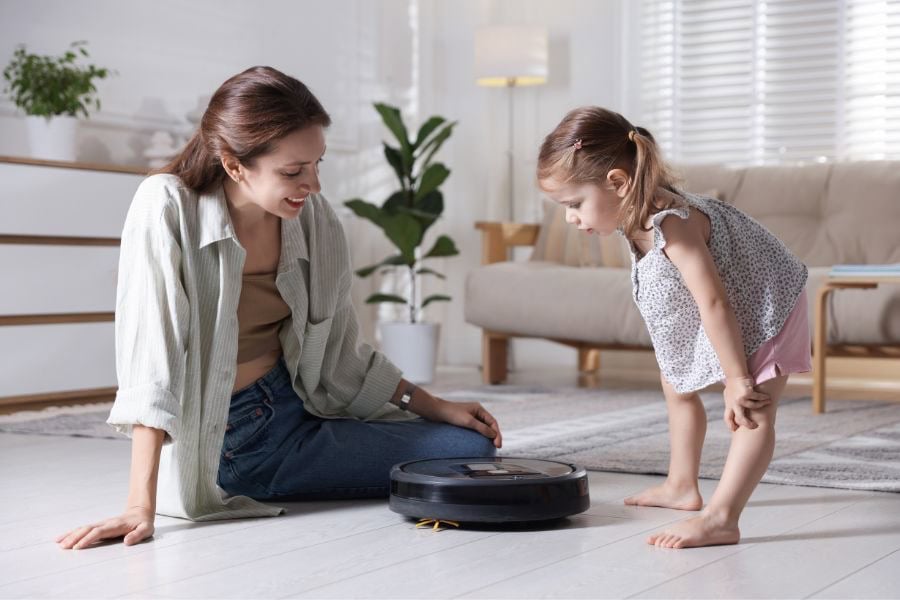
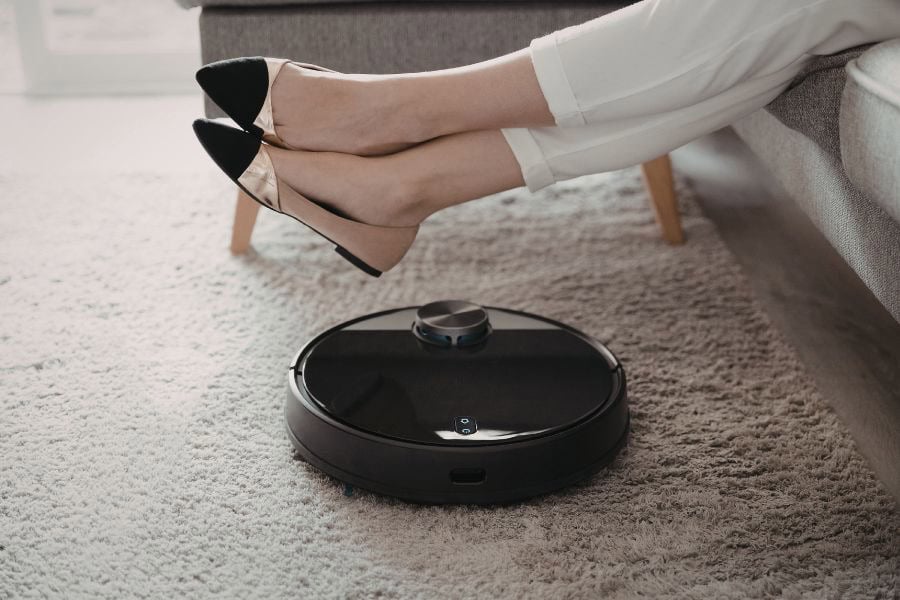
For example, a self-empty robotic vacuum like a DEEBOT model allows you to schedule daily cleaning sessions, so your floors stay consistently tidy. Instead of sweeping several times a day and emptying the dustbin yourself, the device takes care of routine upkeep, helping reduce buildup and making deeper cleaning less frequent.
2. Build dishwashing and laundry into your routine
Instead of letting dishes and laundry pile up, automation can come from consistency. Running the dishwasher at the same time every evening or setting a daily laundry cycle can prevent tasks from becoming overwhelming.
Many appliances now allow delayed starts, so they can run during off-peak hours or overnight. This approach turns cleaning into a predictable system, reducing the mental load and ensuring that chores don’t accumulate faster than they can be handled.
3. Set reminders to stay on top of cleaning tasks
It’s easy to forget small cleaning tasks when managing a busy household. Setting simple reminders on your phone can help maintain consistency without constant thinking.
For example, reminders to wipe surfaces, take out the trash, or reset a room at the end of the day can keep mess from building up. Over time, these reminders help establish habits, turning cleaning into a routine part of the day rather than something that requires extra effort.
4. Create storage systems that make tidying easier
Automation is not only about technology, it also comes from making tasks easier to complete. Simple storage solutions, like labeled bins or baskets in each room, can help reduce clutter quickly.
When everything has a designated place, tidying becomes faster and more intuitive. For families with children, accessible storage at their height encourages participation, making it easier for kids to put toys away and helping maintain order with less effort from parents.
5. Simplify family habits to reduce mess buildup
Small daily cleaning habits can significantly reduce how much cleaning is needed in the first place. Encouraging kids to remove shoes at the door, eat in designated areas, or clean up after activities helps keep mess from spreading too far.
These habits don’t need strict enforcement, they can be introduced gradually and built into everyday routines. Over time, they reduce both the frequency and intensity of cleaning, making daily upkeep feel more manageable and less reactive.
6. Choose smart tools that make cleaning easier to manage
Smart cleaning tools can support a more efficient routine by handling repetitive tasks. Devices with scheduling features or automatic operation can work in the background while you focus on other responsibilities.
For example, window-cleaning robots, programmable appliances, and simple timer-based tools can all help maintain a more consistent routine. The goal is not to rely entirely on technology, but to use it as support, reducing effort and helping maintain a baseline level of cleanliness throughout the home.
Are smart cleaning devices safe around kids?
Yes, smart cleaning devices are generally safe around children when used properly. Most modern devices are designed with built-in safety features, such as obstacle detection, automatic shut-off, and secure components.
Devices such as air purifiers, robot vacuums, and window-cleaning robots can be suitable for everyday use in family homes when used correctly. However, it is still important for parents to supervise initial use, keep small detachable parts out of reach, and follow the manufacturer’s instructions.
When used thoughtfully, these tools can support daily cleaning while helping reduce household workload.


Marissa is a Pediatric Occupational Therapist turned stay-at-home mom who loves sharing her tips, tricks, and ideas for navigating motherhood. Her days are filled starting tickle wars and dance parties with three energetic toddlers and wondering how long she can leave the house a mess until her husband notices. When she doesn’t have her hands full of children, she enjoys a glass (or 3) of wine, reality tv, and country music. In addition to blogging about all things motherhood, she sells printables on Etsy and has another website, teachinglittles.com, for kid’s activity ideas.


