
You do your best to keep your home safe. You tidy up, stock the pantry, double-check the doors, and try to stay one step ahead of the chaos. But here’s the thing no one talks about: some of the biggest household hazards don’t look dangerous at all. They blend into your everyday routine. A dim stairway. A cluttered landing. A tiny crack where pests sneak in.
Most risks aren’t dramatic or obvious. They build up slowly while you’re busy being everything to everyone. The good news? Once you spot these hidden trouble areas, fixing them is usually simple. A few smart changes can make your home safer, healthier, and so much more peaceful.
Silent Air Hazards: What You’re Breathing Every Day
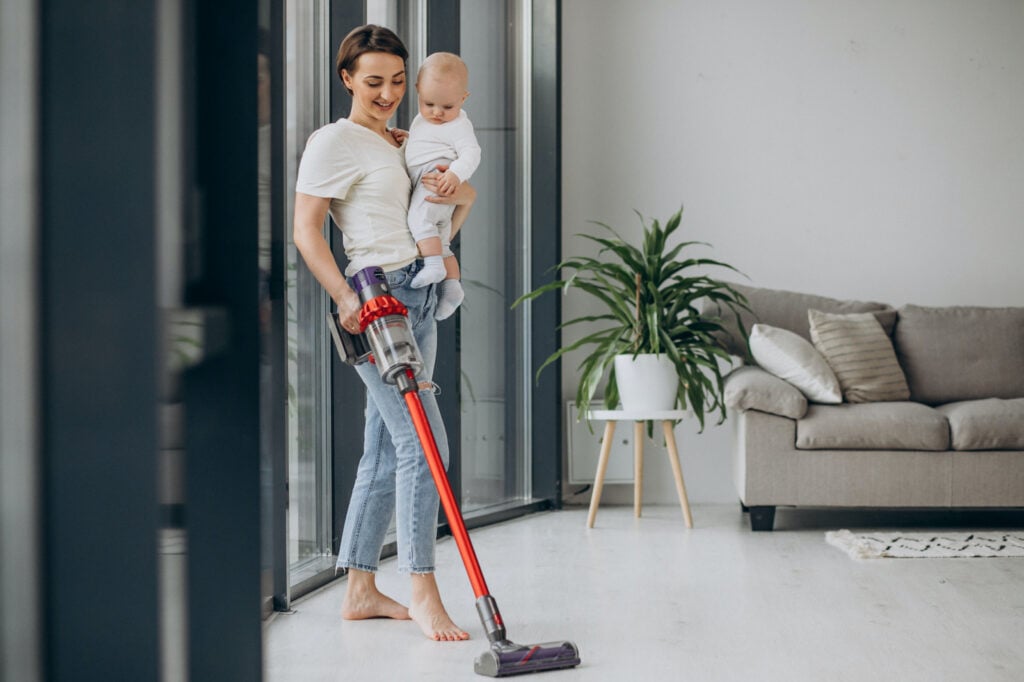
Indoor air can quietly affect your family’s health without obvious warning signs. Dust builds up in vents. Cooking smoke lingers longer than you think. Even everyday cleaning sprays release particles that stay suspended in the air.
If anyone in your home deals with allergies, headaches, or frequent congestion, poor air quality could be part of the problem. Pet dander, mold in damp corners, and clogged HVAC filters all circulate through shared spaces.
The fix doesn’t have to be overwhelming. Replace air filters regularly. Use exhaust fans while cooking. Open windows when the weather allows. Small habits like wiping vents and checking for hidden moisture can make a noticeable difference in how your home feels day to day.
Forgotten Falls: Overlooked Stairway Dangers
Most stair accidents don’t happen because something extreme goes wrong. They happen during everyday moments. You’re carrying a basket of laundry. Your child runs ahead of you. You’re heading down in socks before your morning coffee. It only takes one missed step.
Lighting plays a bigger role than many moms realize. A slightly dim bulb or a shadow near the bottom step makes it harder to judge depth. Loose railings, uneven steps, or smooth wood surfaces add to the risk, especially for toddlers and grandparents.
Clutter makes things worse. Shoes left on the landing, backpacks tossed near the bottom, or toys forgotten mid-step turn a safe pathway into a hazard zone.
In homes where stairs are used constantly or by multiple age groups, some families choose to buy a stair lift with free installation as part of a broader effort to reduce fall risk and keep movement through the home predictable and safe.
Hidden Pest Problems Moms Don’t See Until It’s Worse
Pests rarely make a grand entrance. They slip in through tiny gaps under doors, cracks in the foundation, or openings around pipes. By the time you notice ants on the counter or hear scratching in the walls, they’ve likely been there for a while.
Beyond being unsettling, pests contaminate food, trigger allergies, and spread bacteria across surfaces you use every day. Kitchens, pantries, and laundry rooms are especially vulnerable because they offer warmth, moisture, and easy access to crumbs.
Start with prevention. Seal small cracks, store dry goods in airtight containers, and take trash out consistently. Check under sinks for leaks that attract insects and rodents.
If activity continues despite your efforts, bringing in an experienced pest control company can help identify hidden entry points and address the issue safely, especially in homes with kids and pets.
Poison Risks Hiding in Plain Sight
Most moms lock up obvious dangers. But everyday products still end up within reach more often than we realize. Pain relievers in purses. Cleaning sprays under the sink. Laundry pods stored on a low shelf for convenience.
Kids are curious. Bright packaging and easy-to-open containers make common household items look harmless. Even vitamins and essential oils can become dangerous when swallowed in large amounts.
Do a quick scan of your home at a child’s eye level. What can they grab without climbing? Install simple cabinet latches where needed. Move medications to higher shelves. Avoid storing chemicals in drink bottles or unmarked containers.
It takes minutes to reposition risky items, but it can prevent emergency room visits and long-term health consequences.
Kitchen Slip Zones You Don’t Notice Until Someone Falls
The kitchen may look clean, but it’s one of the easiest places to slip. A few drops of water near the sink. Grease that splattered while cooking. An ice cube slipped from the freezer and slowly melted on the floor unnoticed. It doesn’t take much.
Now add real life. You’re multitasking. Kids are walking in and out. Someone’s wearing socks. All it takes is one unnoticed wet spot for someone to lose their footing.
Start noticing where spills happen most. Lay down nonslip mats near the sink and stove. Wipe up water right away instead of circling back later. Keep cords and small rugs out of walking paths.
Electrical Hazards Hiding Behind Furniture
Out of sight doesn’t mean out of danger. Electrical risks often sit quietly behind couches, beds, and desks where no one thinks to look. Frayed cords, overloaded power strips, and loose outlets can go unnoticed for months.
Kids tug on chargers. Lamps stay plugged in all day. Extension cords get added “just for now” and never removed. Over time, that strain increases the chance of overheating or sparks.
Do a quick sweep every few months. Look for warm electrical outlets, humming or buzzing noises, and lights that flicker unexpectedly. Replace damaged cords immediately instead of taping them. Avoid plugging multiple high-energy devices into one strip.
You don’t need to overhaul your home. Just staying aware of these hidden electrical spots can lower fire risks and give you one less thing to worry about.
Playroom and Toy Hazards That Sneak Up on You
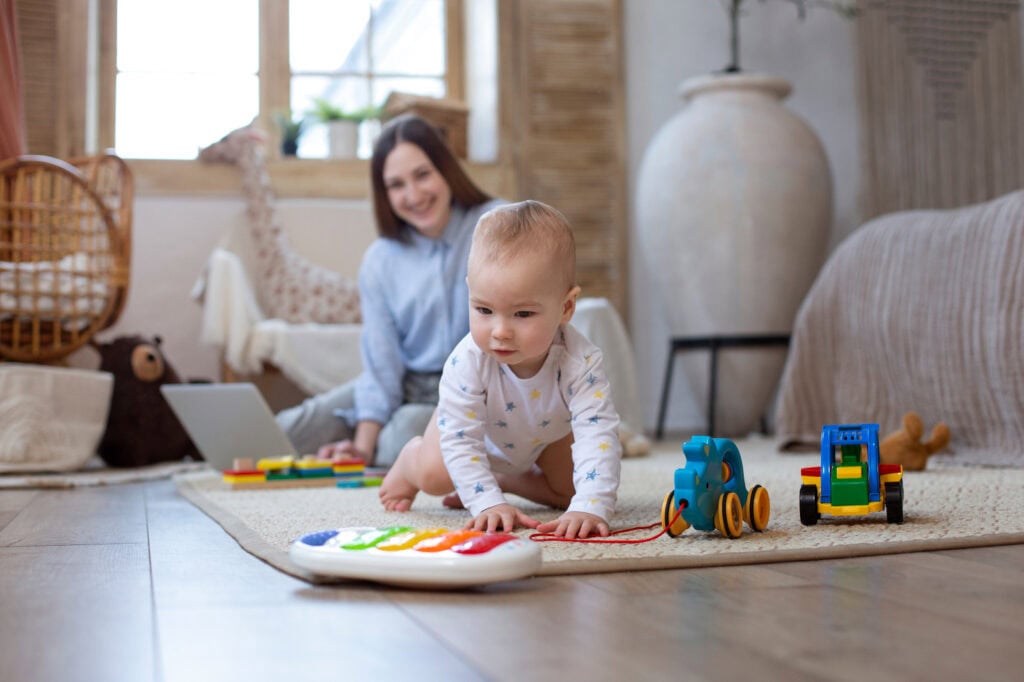
Photo from Freepik
Toys are supposed to be fun, but they can quickly turn into trip hazards. Blocks under the couch. Tiny figurines are hiding in the carpet. Stuffed animals are scattered across the walkways. It’s amazing how fast a play area spills into the rest of the house.
Small pieces are another concern, especially in homes with mixed ages. What’s safe for your older child could be a choking risk for a toddler who finds it later. Loose batteries inside electronic toys are especially important to check.
Storage makes a big difference. Use bins that are easy for kids to access and just as easy to clean up. Keep smaller toys separate and labeled so they don’t migrate everywhere.
Wrapping Up
You don’t need to turn your home into a padded fortress to keep your family safe. Most of the real risks are small, everyday things that just need a little attention. When you start noticing them, simple fixes go a long way. A brighter stairwell. Clearer walkways. Sealed cracks. It’s not about doing everything at once. It’s about making your home safer, one smart change at a time.


Marissa is a Pediatric Occupational Therapist turned stay-at-home mom who loves sharing her tips, tricks, and ideas for navigating motherhood. Her days are filled starting tickle wars and dance parties with three energetic toddlers and wondering how long she can leave the house a mess until her husband notices. When she doesn’t have her hands full of children, she enjoys a glass (or 3) of wine, reality tv, and country music. In addition to blogging about all things motherhood, she sells printables on Etsy and has another website, teachinglittles.com, for kid’s activity ideas.


