
Whether you’re dealing with drafty interiors, rising energy bills, or outdated finishes, making small updates can deliver real results. These updates don’t need to be flashy or expensive to work.
Pittsburgh, PA, is filled with homes that reflect decades of character and structure. But along with that charm often come older systems and features that no longer meet today’s performance standards.
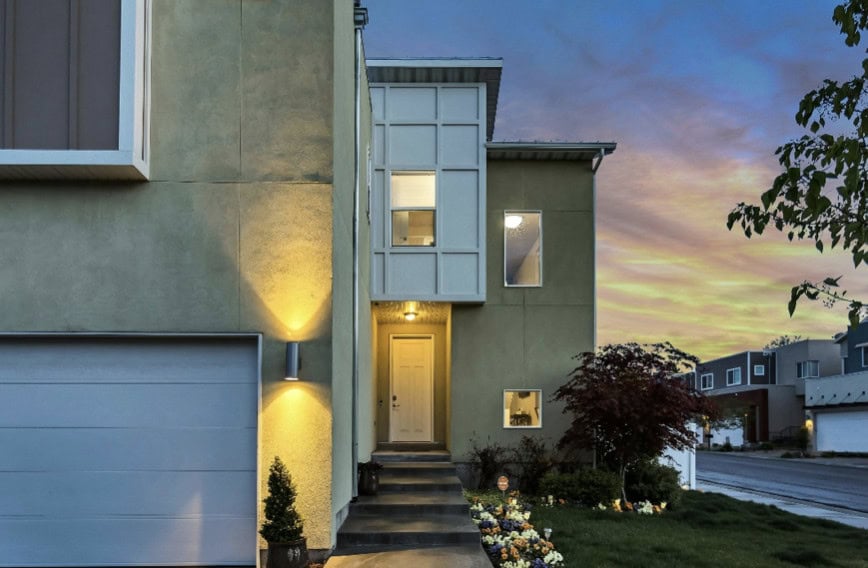
If you live in the Pittsburgh area and want to improve the way your place feels and functions, the following upgrades are a great place to start:
Insulation That Saves Money and Cuts Drafts
Some older homes in the region lose heat in the winter and struggle to stay cool in warmer months. If you’re constantly adjusting the thermostat, worn insulation may be the reason.
Focus on attic and wall coverage, where most heat loss takes place. Swapping in better materials like spray foam or dense fiberglass can reduce noise and lower your energy bills. Insulation also helps manage moisture buildup, which means fewer chances for mold growth in hard-to-reach areas.
With the right insulation in place, your heating and cooling system doesn’t need to work overtime. It’s a reliable update that quietly supports overall comfort without requiring frequent attention or large-scale remodeling work.
Energy-Efficient Windows Built for Local Weather
Pittsburgh’s climate creates a need for smarter building features that help with comfort and savings. Window technology has advanced a lot, and today’s multi-pane glass and thermal breaks make a noticeable difference.
Better insulation, noise reduction, and cleaner airflow all start here. A reliable window company in Pittsburgh can offer window options that work with older brick structures and newer suburban homes. They carry double-hung, picture, casement, and slider windows that offer reliable performance and fit different architectural needs.
Each installation focuses on energy use and long-term function. If you’re trying to update your place with durable materials and custom-fit solutions, local contractors bring knowledge and trusted service to the table.
Roofing Work That Prevents Long-Term Issues
When the top layer of your structure starts to break down, trouble usually follows. Aging shingles, missing flashing, and poor ventilation can all lead to water damage or mold. If your current setup is over 20 years old, it’s smart to get it checked. Seasonal weather, from snow to rain and high winds, puts constant pressure on materials. Look for signs like uneven surfaces, granule loss, or visible sunlight from inside the attic. Addressing these early can prevent higher costs later. Some residents opt for longer-lasting materials like metal or architectural shingles, which hold up better. A proper inspection can guide what needs attention first and what can wait.
Smart Climate Control Systems for Better Energy Use
Older HVAC systems can cost more than they should. If yours runs non-stop or struggles to keep a steady temperature, an upgrade could make sense. Start by installing a smart thermostat.
These adjust based on usage and allow remote control through a phone app. They’re simple to set up and easy to use daily. If your heating or cooling setup is more than 10 years old, pairing it with a newer system helps cut costs even more.
The region’s seasonal swings, hot summers, and freezing winters make reliable airflow a must. Better airflow leads to fewer temperature swings and lower monthly bills. These updates pay off in both performance and energy savings.
Kitchen Features That Actually Add Value
The kitchen is one of the most-used parts of any home, and making small updates can lead to daily convenience and higher resale value. Start with your counters and lighting. These make an immediate impact.
LED fixtures use less power and offer better visibility, while stone or composite surfaces are easy to clean and last longer. If your setup feels cramped, adjust the layout to improve flow.
Keep styles simple with clean lines and neutral tones. Appliances with energy-saving settings are worth adding too. You don’t need to tear everything out to make a difference.
A few smart changes can improve function and appearance without going over budget or creating major disruption.
Basement Conversions That Add Usable Square Footage
Local homes often have large, unfinished basements that go unused for years. Turning that area into something functional, like an office, guest room, or workout zone, can make a big difference in how your living space feels.
Begin with waterproofing and insulation. These steps help keep moisture out and prevent long-term issues. Proper lighting and ventilation should come next. Use LED fixtures to brighten the space and help reduce your energy use.
If you’re adding flooring, go for materials that handle humidity well. Keep things simple and focus on features you’ll actually use. Finished basements are a smart way to create more room without needing to build onto your structure.
Siding That Holds Up in Harsh Conditions
The weather in the region can be tough on outer walls. Years of snow, wind, and sun wear things down and make buildings look older than they are. Swapping out damaged or worn siding gives your structure a cleaner look and protects it from the elements. Vinyl and fiber cement are solid choices that last a long time and don’t need much care. They come in styles that fit both older and newer designs. Keep the finish simple if you want it to age well. With strong materials and clean lines, you’ll get solid protection and updated visuals without doing constant upkeep or spending money year after year.
Lighting and Electrical Updates That Improve Daily Use
Old outlets, switches, and panels can become fire hazards if they aren’t replaced in time. Even if nothing’s broken, it may still be worth updating your system for better safety and use.
Adding more outlets, dimmer switches, or USB ports can help match today’s tech-heavy routines. Swapping overhead fixtures for energy-saving LED lights is another small change that improves visibility without raising your electric bill.
Many residents also replace dated panels and wiring if their structure was built before the 1980s. That way, you avoid potential problems and keep things running smoothly. If you’re upgrading rooms one at a time, this is a good place to start.
If you want a living space that feels better, works harder, and costs less to run, these updates are worth considering. You don’t have to do everything at once. Focus on areas that affect comfort, safety, and energy use first.
Whether it’s a basement makeover, smarter airflow, or better lighting, each change helps make daily life more enjoyable. Start small, plan smart, and use materials that fit the climate. These kinds of updates aren’t just about looks.
They’re about making the space work better for you every day. With the right approach, you’ll feel the results right away and for years to come.


Marissa is a Pediatric Occupational Therapist turned stay-at-home mom who loves sharing her tips, tricks, and ideas for navigating motherhood. Her days are filled starting tickle wars and dance parties with three energetic toddlers and wondering how long she can leave the house a mess until her husband notices. When she doesn’t have her hands full of children, she enjoys a glass (or 3) of wine, reality tv, and country music. In addition to blogging about all things motherhood, she sells printables on Etsy and has another website, teachinglittles.com, for kid’s activity ideas.


